Is the priority glare, privacy, darkness, or the view?
Start with a moment from your own home. Tell us what happens now, and what you would like to feel different.
Privacy, comfort, and light—on your terms.
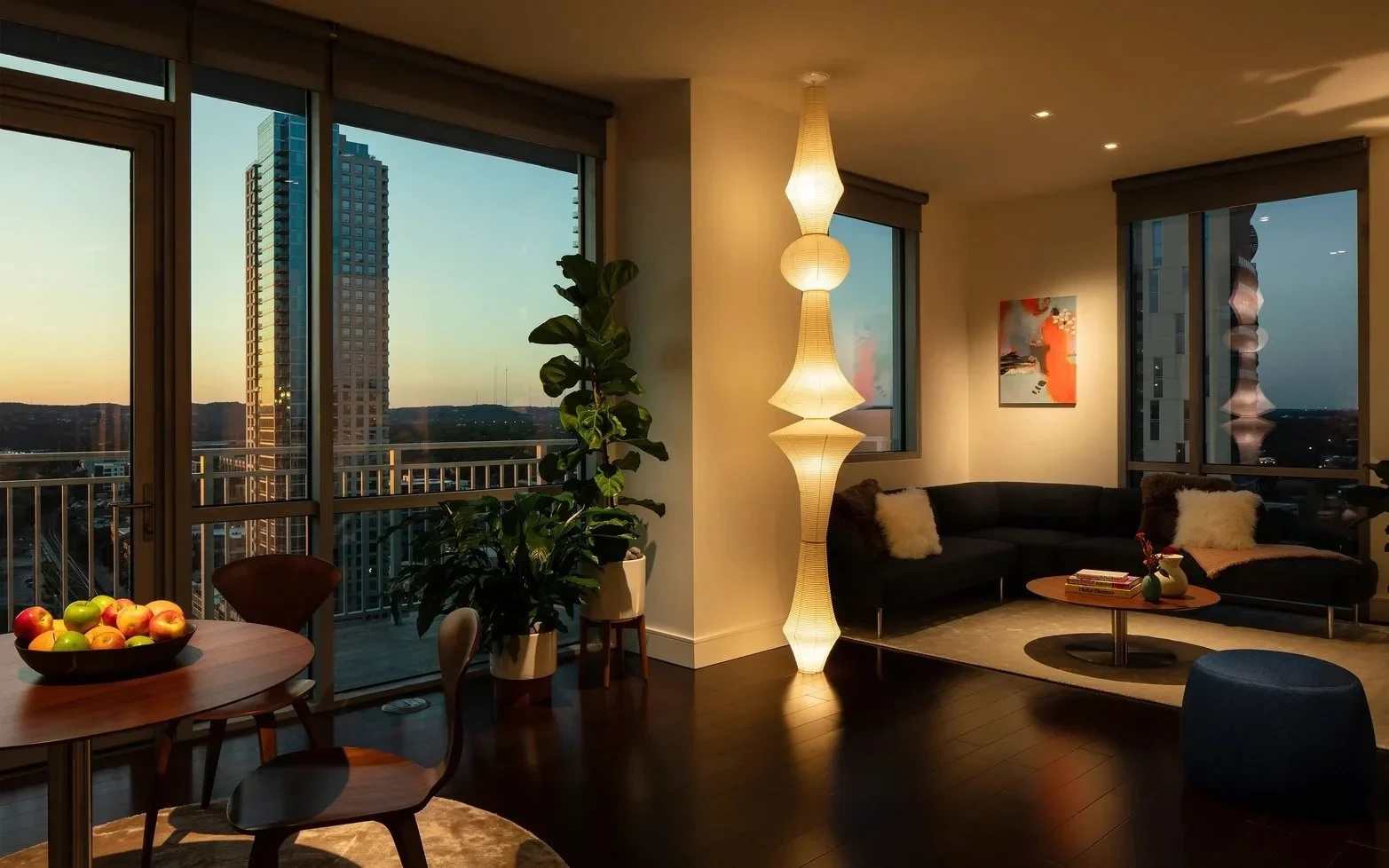
Imagine choosing your living room for its beautiful windows, then avoiding your favorite chair each afternoon because the light becomes uncomfortable. You lower one shade, leave another open for the view, and spend the next hour making adjustments as the sun moves.
The right shading plan begins with that chair and that time of day. We discuss which views you want to preserve, where glare becomes distracting, and when privacy matters. A group of windows may need coordinated movement, while a bedroom may need a completely different approach. The fabric sample is the beginning of the decision, not the whole decision.
Plan your window treatmentsImagine a bedroom that looks dark in a showroom sample but leaves bright strips around the installed shade. Fabric, edge gaps, mounting position, and surrounding construction all affect the result. If darkness is a priority, we discuss the full opening and any channels or pockets before finishes are complete.
Start with a moment from your own home. Tell us what happens now, and what you would like to feel different.
Bring this into the planning conversation early. The answer can shape locations, wiring, equipment, and finishes.
Think about everyone who will use the system. Daily operation should feel as considered as the installation.
We coordinate the details with you, your builder, and your designer, then bring the selected system together.
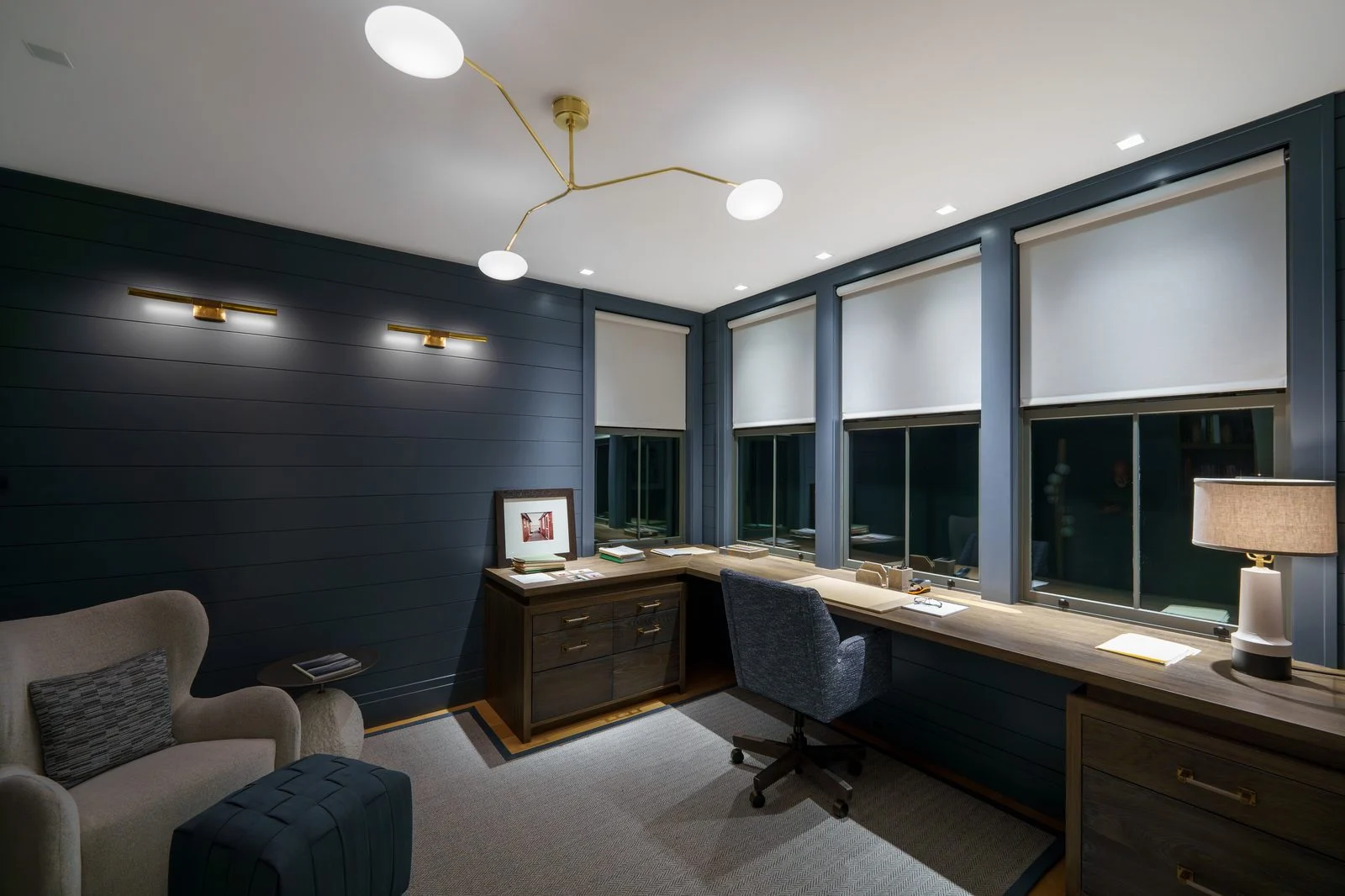
Shades should complement the architecture. We help coordinate fabric, mounting details, and control so the finished room feels complete.
Filter bright afternoon light in a living room or explore room-darkening options for a bedroom. Blackout performance depends on the full installation, including edge gaps and mounting details.
For a new home or renovation, shade power and recessed pockets are best coordinated before finishes go in. Existing homes have options too, including battery-powered solutions.
Often there are options. Window dimensions, access for power, mounting conditions, and the chosen system determine what is practical. Battery-powered and wired approaches have different planning considerations.
Not by itself. Light can enter around the edges and through other openings. We evaluate the complete installation and discuss realistic expectations for the room.
Tell us about your space and the moments you want to improve.
We’ll help you find a thoughtful next step.