When does your day actually begin and end?
Start with a moment from your own home. Tell us what happens now, and what you would like to feel different.
 DAYLIGHT TO SUNSET
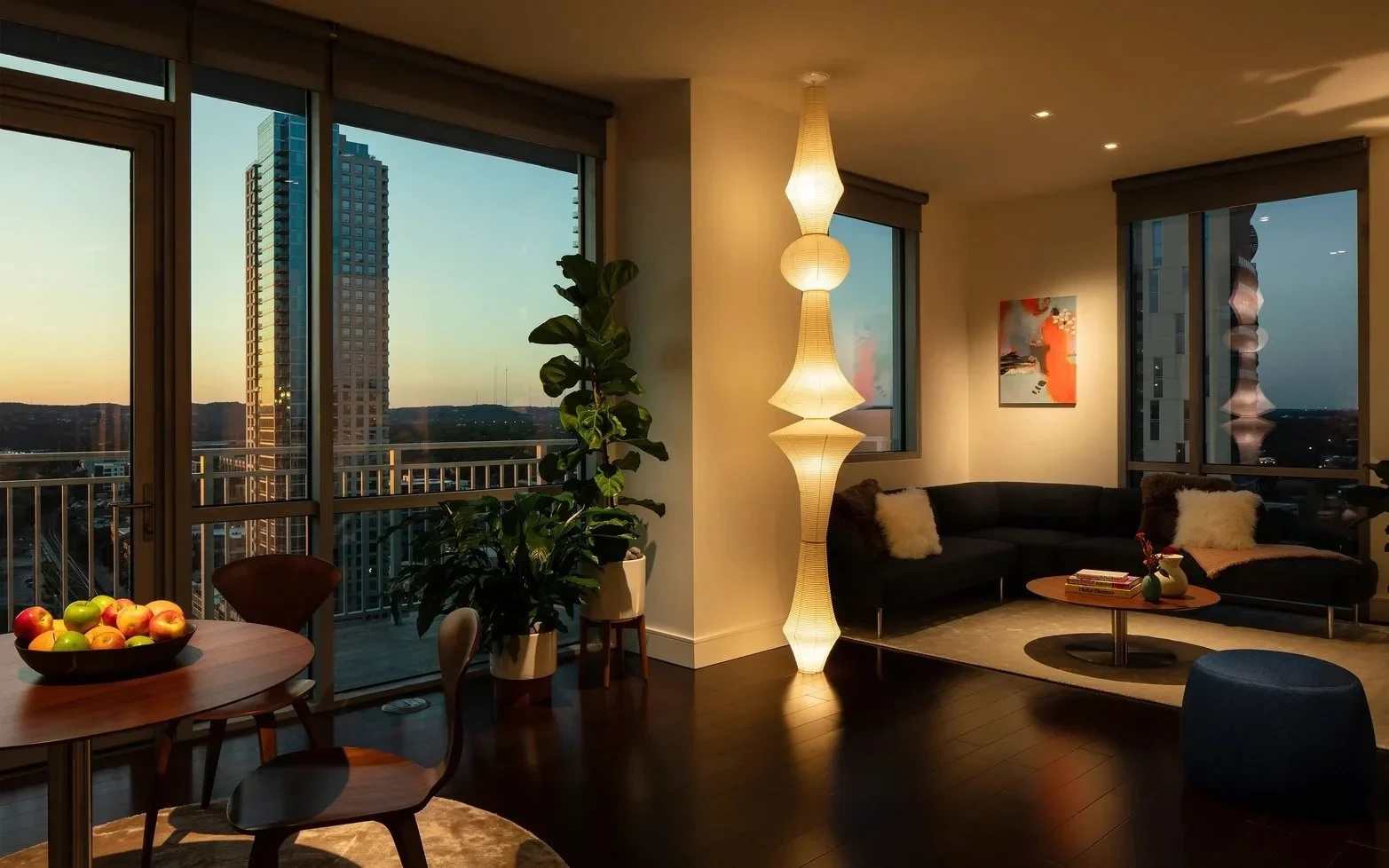
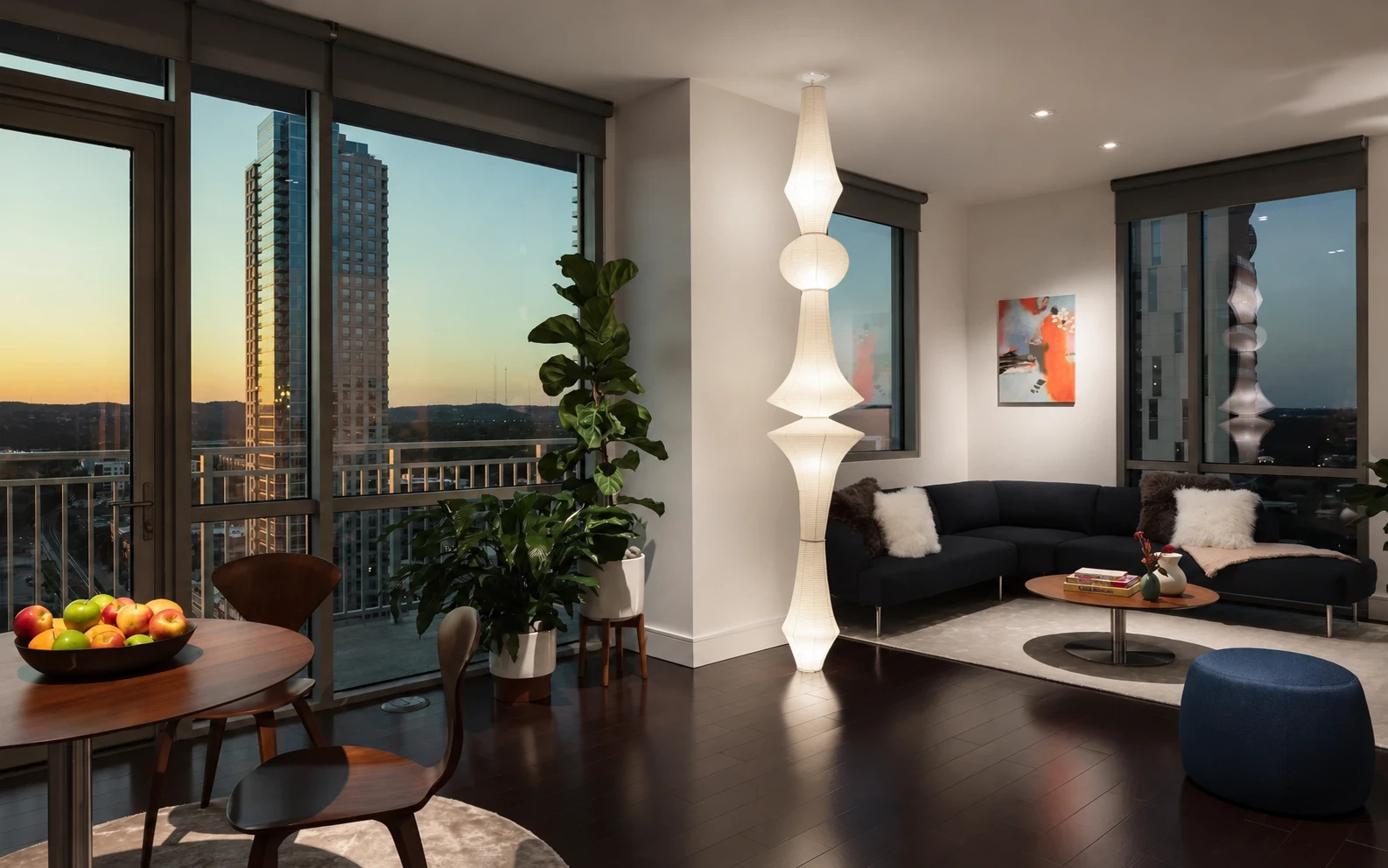
Imagine waking before the rest of the house. You want enough light to get dressed, but the same bright setting you use to clean the room feels abrupt at six in the morning. Later, you return to that room to read and unwind. The space has not changed. What you need from it has.
A circadian-inspired plan begins with those differences. We discuss the hours you keep, the daylight entering the room, and where a gradual change would feel useful. A schedule should support your routine while leaving you free to change it. The question is not how much can be automated, but which transitions you would enjoy no longer thinking about.
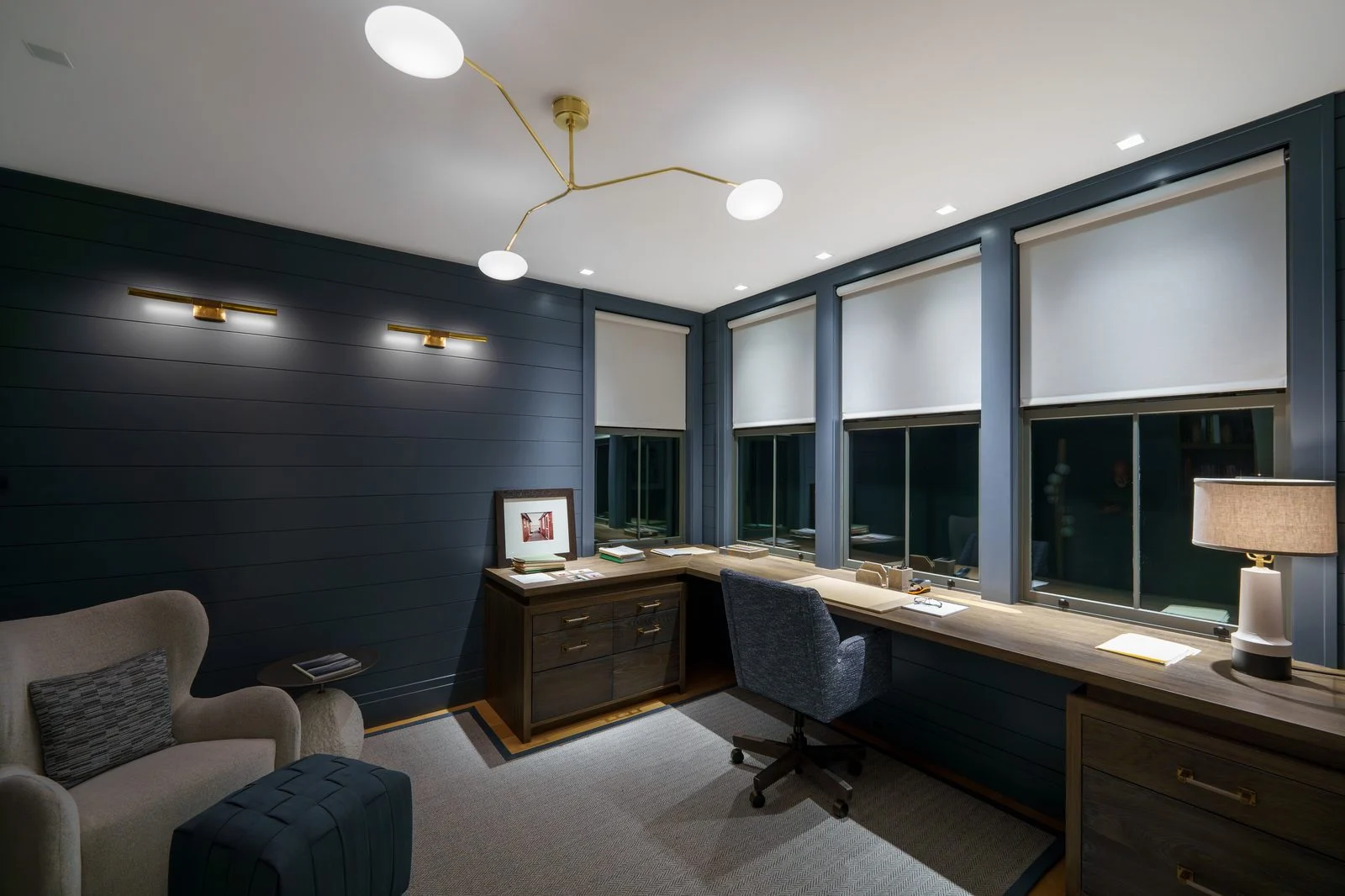
Plan your daily rhythmA warmer setting does not automatically make a room comfortable. Brightness, glare, the direction of light, and what you are trying to see all matter. We consider the whole room, including bedside reading and the path to the bathroom. Different household schedules may call for different zones instead of a single whole-home routine.
Start with a moment from your own home. Tell us what happens now, and what you would like to feel different.
Bring this into the planning conversation early. The answer can shape locations, wiring, equipment, and finishes.
Think about everyone who will use the system. Daily operation should feel as considered as the installation.
We coordinate the details with you, your builder, and your designer, then bring the selected system together.
The character of a room changes with its light. We plan daytime and evening settings around how you use the space, considering brightness, color temperature, daylight, and the surfaces the light touches.
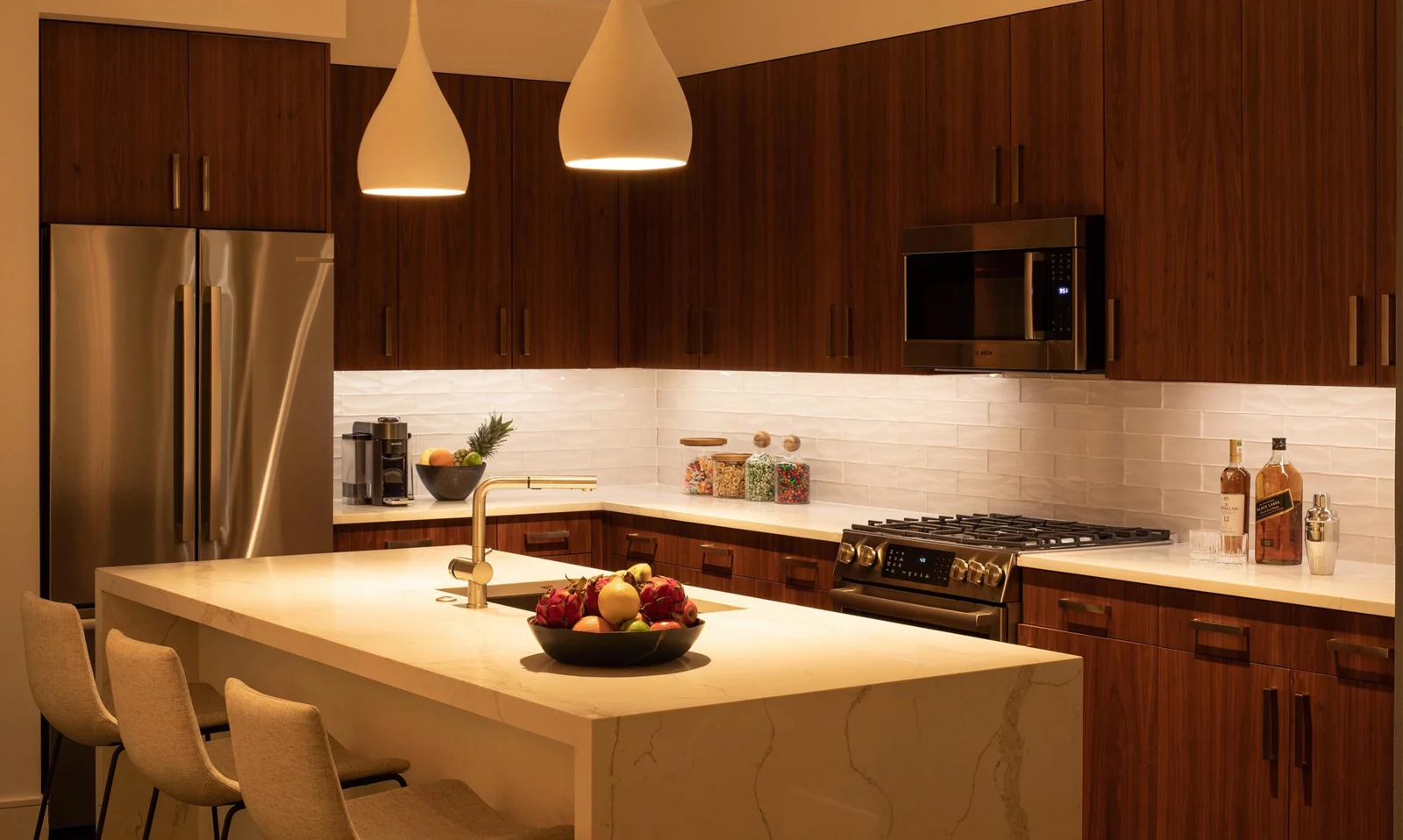
Imagine a gentle start in the bedroom, clear task lighting in the kitchen, and a warmer setting as the evening winds down. We begin with your actual schedule and preferences, including a simple way to override the routine.
Tunable-white lighting, warm-dim fixtures, and ordinary dimming provide different experiences. We help define the intended result and coordinate fixtures, drivers, wiring, and controls before equipment is selected.
A lighting schedule should suit the people living with it. Circadian-inspired lighting is a design approach, not a medical treatment or a promise of better sleep. We focus on comfortable, useful light and controls you can understand.
No. Dimming changes light output; tunable-white lighting can also change the color temperature of compatible fixtures. Warm-dim products behave differently again. We compare the experience you want before specifying a solution.
The selected control system determines the available adjustments. We plan useful overrides and discuss who will manage schedules, so the lighting remains practical as your routine changes.
Tell us about your space and the moments you want to improve.
We’ll help you find a thoughtful next step.